




November might seem like the point in the gardening calendar when everything comes to a standstill, but there is still plenty to do. While the days are shorter and the weather is less predictable, this month offers opportunities to plant, prepare and improve your garden before spring arrives.
The trick is knowing which jobs are worth tackling now and which can wait until warmer weather returns.
Give Spring Bulbs A Home
If you haven’t planted your spring-flowering bulbs yet, there is still time to get them into the ground. Tulips, daffodils, crocuses and alliums can all be planted during November, provided the soil isn’t frozen or waterlogged.
Think about where you want colour to appear when winter finally gives way to spring. Bulbs work particularly well planted in groups rather than individually, creating more natural-looking displays.
A few useful pointers:
- Plant daffodil bulbs around three times their own depth.
- Choose well-drained soil, particularly for tulips.
- Plant crocuses in lawns or beneath deciduous trees for an early burst of colour.
- Add a little grit to heavy soil to improve drainage.
If you’re planting bulbs in containers, make sure there are adequate drainage holes to prevent them sitting in water over winter.
Make Room For Bare-Root Plants
November marks the beginning of the bare-root planting season. Trees, shrubs, hedging plants and certain fruit varieties are available without pots or soil around their roots, making them an economical way to introduce new plants.
Bare-root plants are generally planted while dormant, giving them time to establish their roots before the growing season begins.
Fruit trees, roses and hedging such as hawthorn, beech and privet are all worth considering. Just remember to soak the roots before planting if they appear dry, and water them in thoroughly afterwards.
Avoid planting when the ground is frozen or excessively wet.
Protect Plants From Frost
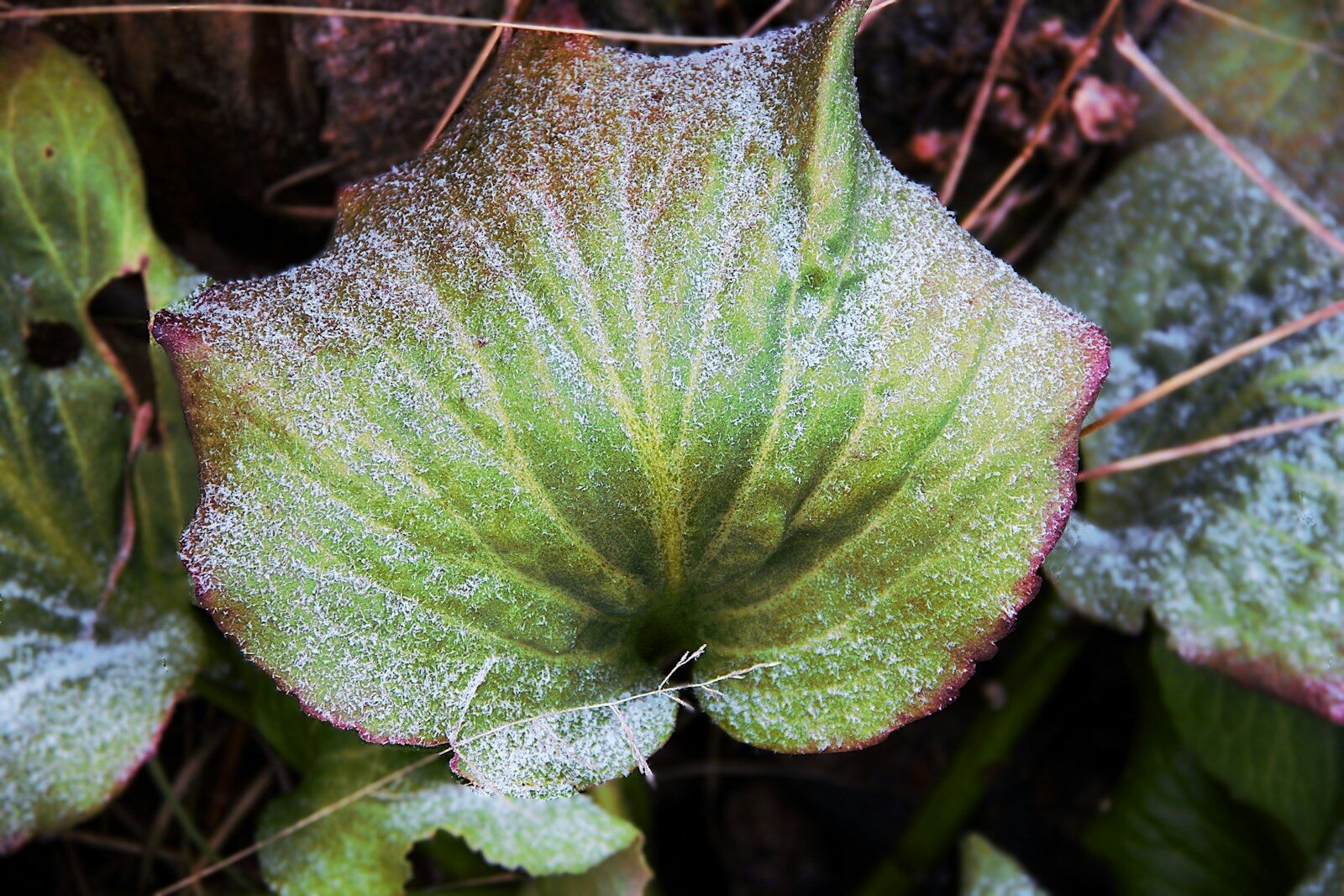
As temperatures begin to fall, some garden plants will need a little extra attention.
Tender perennials, particularly those growing in exposed positions, may benefit from a protective layer of horticultural fleece. Pots containing less hardy plants can be moved into a greenhouse, shed or sheltered area.
Other useful winter preparations include:
- Wrapping vulnerable pots in bubble wrap or hessian.
- Raising containers slightly off the ground to improve drainage.
- Applying mulch around the base of suitable plants.
- Removing diseased foliage to reduce the risk of problems carrying over into spring.
Don’t be too enthusiastic with the pruning, though. Some plants provide valuable winter interest, while their stems and seed heads offer shelter and food for wildlife.
Improve Your Soil While You Can
November is a good time to think about soil health. Once you’ve cleared spent summer crops and annual plants, consider adding well-rotted manure or garden compost to empty beds.
Worms and other soil organisms will gradually incorporate organic matter, improving soil structure and helping it retain moisture and nutrients.
If you have particularly heavy clay soil, adding organic matter can help improve its structure over time. There’s no need to dig every bed over, either. A layer of compost or mulch on the surface can be beneficial, particularly if you’re following a no-dig approach.
Don’t Forget The Wildlife
A winter garden doesn’t have to be an empty one. Leaving some seed heads standing, keeping a few areas of fallen leaves and providing access to fresh water can make a real difference to visiting wildlife.
Think about adding bird feeders, planting winter-flowering shrubs and leaving a small area undisturbed for insects and other garden visitors.
There is plenty to enjoy outdoors during November, even if the garden looks very different from its summer appearance. A little preparation now can make the first signs of spring all the more rewarding.
Photo by Aline Li Varen.