
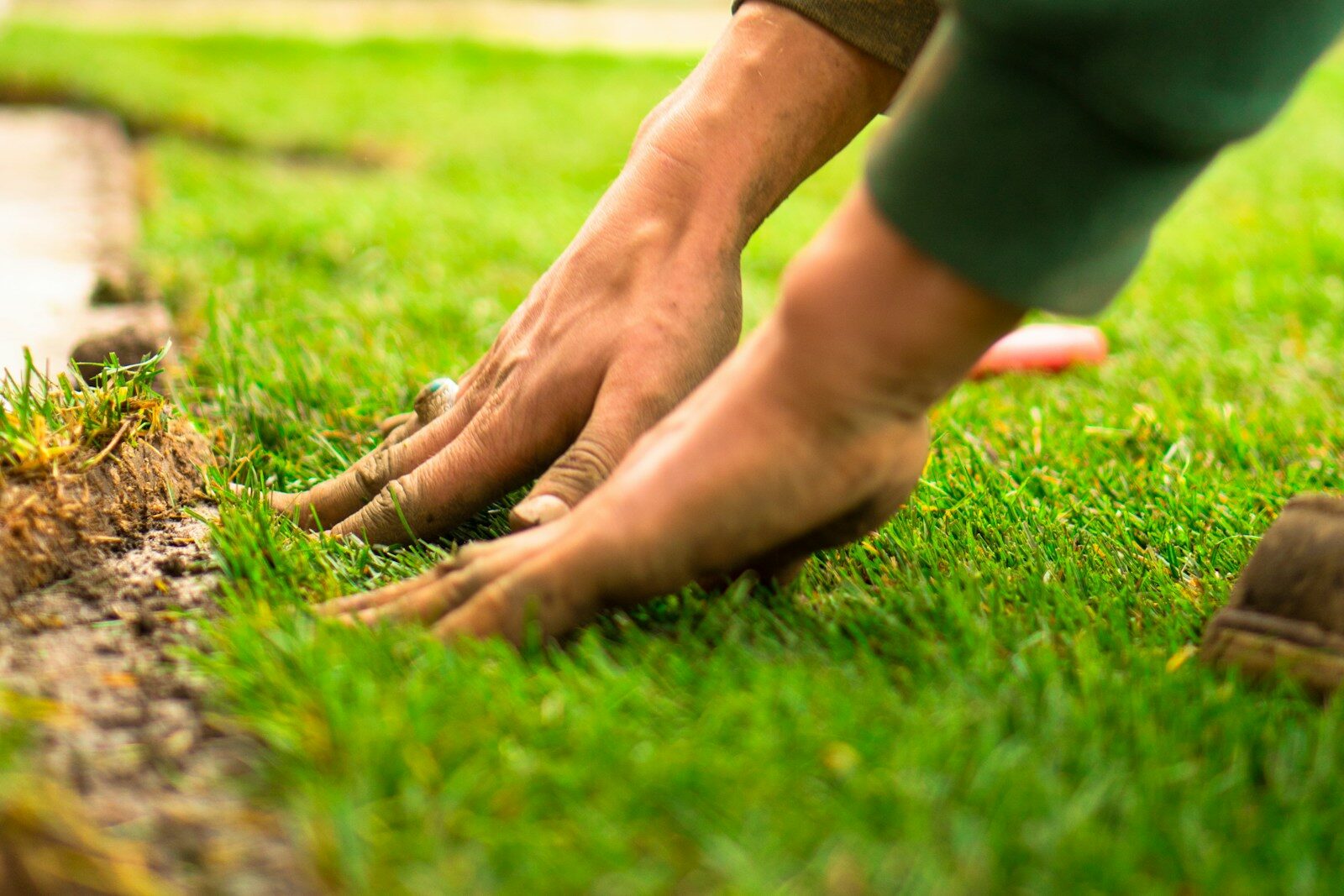





For many homeowners, the lawn is the centrepiece of the garden. It provides somewhere for children to play, a place to relax and a familiar patch of green that ties the whole outdoor space together. But does every garden really need a large expanse of grass?
Whether you’re working with a compact urban garden or a generous suburban plot, rethinking how you use the available space can make it more practical, interesting and enjoyable throughout the year.
It doesn’t necessarily mean getting rid of the lawn altogether. Sometimes, simply changing the balance between grass, planting and other features can transform the way a garden works.
Create Different Areas For Different Activities
One of the easiest ways to improve a garden is to give different sections a clear purpose. Rather than treating the entire space as one large area, consider how you actually use it.
For example, you might want:
- A seating area close to the house for morning coffee or outdoor dining.
- An open section of lawn for children, pets or recreational activities.
- A dedicated area for growing vegetables, herbs or fruit.
- A quieter corner with comfortable seating and attractive planting.
These areas don’t need to be separated by fences or walls. Changes in paving, planting, lawn shape or decorative screening can create natural divisions without making the garden feel smaller.
Think About What You Can Grow Vertically
When floor space is limited, looking upwards can open up some interesting possibilities.
Climbing plants, wall-mounted planters and trellises allow you to introduce greenery without taking up valuable ground space. Clematis, climbing roses, honeysuckle and jasmine can all be used to soften fences and walls, while also adding colour and, in some cases, fragrance.
Vertical gardening is particularly useful in smaller gardens where traditional borders might take up too much room.
You could also consider:
- Hanging baskets for seasonal flowers.
- Wall-mounted containers for herbs.
- Tall planters to introduce height and structure.
- Obelisks and arches to support climbing plants.
Just make sure plants have enough room for their roots and that containers can be watered easily.
Give Borders More Than One Season Of Interest
A common gardening mistake is choosing plants because they look attractive at one particular time of year. The result can be a garden that looks fantastic in June but rather uninspiring by October.
A better approach is to combine plants with different flowering periods, foliage colours and structures.
For example, spring bulbs can provide early colour, followed by summer-flowering perennials such as salvias and hardy geraniums. Ornamental grasses can add movement and texture later in the year, while evergreen shrubs help maintain structure throughout winter.
When planning borders, think about:
- Plant height and how different varieties will work together.
- Flowering times to avoid long gaps in colour.
- Foliage texture and contrasting leaf shapes.
- Plants that attract bees, butterflies and other pollinators.
A well-planned border should offer something interesting even when very little is flowering.
Make Space For Growing Your Own
You don’t need an allotment or a huge garden to enjoy growing fruit and vegetables.
Raised beds, containers and even a few pots on a patio can provide enough space for a surprisingly productive kitchen garden.
Salad leaves, radishes, spring onions and herbs are particularly suitable for smaller spaces. Tomatoes, strawberries and dwarf fruit varieties can also be grown successfully in containers, provided they receive sufficient sunlight and regular watering.
If you’re short on room, choose crops that offer a good return for the space they occupy. Cut-and-come-again salad leaves, for example, can provide repeated harvests rather than a single crop.
Don’t Underestimate The Importance Of Pathways
Paths are often treated as a purely practical feature, but they can have a significant impact on the overall appearance of a garden.
A straight path can create a neat, structured look, while a gently curving route can make a space feel more relaxed and encourage people to explore different areas.
Gravel, natural stone, brick and paving slabs all offer different finishes. The right choice will depend on the style of your garden, your budget and how much maintenance you’re prepared to undertake.
Good pathways also make borders easier to access, reduce wear on the lawn and provide more practical routes during wet weather.
Design A Garden That Works For You
Ultimately, a successful garden isn’t necessarily the one with the biggest lawn, the most expensive paving or the widest selection of plants. It’s the one that suits the people using it.
Think about what you want from your outdoor space, how much time you can realistically spend maintaining it and which features will make the biggest difference to everyday life.
A few carefully chosen changes can make a garden more productive, more attractive and considerably more versatile, without requiring a complete redesign.
Photo by FRAEM GmbH.