



Taking on an allotment is an exciting prospect. There’s the appeal of growing your own fruit and vegetables, spending more time outdoors and having a little space to call your own. But before you accept the offer of a plot, it’s worth thinking about the financial commitment involved. How much does an allotment actually cost, and what should you budget for beyond the annual rent?
The good news is that allotment gardening doesn’t have to be an expensive hobby. Compared with many other leisure activities, the ongoing costs can be surprisingly low. However, the amount you’ll spend depends on several factors, including where your plot is located, its size and condition, what facilities are available and how much equipment you already own.
If you’re researching how much an allotment costs, it’s helpful to look beyond the rental price and consider the different expenses you might encounter.
1. Allotment Rent: What Can You Expect to Pay?
Rent is usually the first expense to consider, but there isn’t a single standard price across the UK. Charges vary considerably depending on the local authority, allotment association, location and size of the plot.
As a general indication, around £60 per year is a reasonable figure to use when budgeting for a council allotment, although some sites charge considerably less and others considerably more. Private allotments and independently managed sites may have entirely different pricing structures.
It’s also worth checking whether the advertised rent covers a full plot or whether you’re being offered a half or quarter plot. Smaller plots are often a more affordable option for beginners and can be easier to manage while you’re learning.
The National Allotment Society’s media and advertising page includes information from the APSE survey, providing useful insight into allotment costs and charges. It’s a helpful starting point if you want to understand how rental prices compare.
2. Deposits, Membership and Other Site Charges
Before accepting a plot, ask the site manager or allotment association whether there are any additional charges.
Depending on how the site is managed, you might encounter:
- Deposits: Some sites require a refundable deposit when you take on a plot. This may be returned when you leave, provided the plot is handed back in an acceptable condition.
- Association membership: Privately managed or association-run sites may charge an annual membership fee in addition to the plot rent.
- Insurance: Some associations include public liability insurance within their membership arrangements, while others may require a separate contribution or provide guidance on obtaining appropriate cover.
- Water charges: Water may be included in the rent, provided through a shared supply or charged separately. Some sites also have restrictions on when and how it can be used.
- Additional facilities: Certain sites may charge towards the upkeep of communal sheds, toilets, storage areas or other shared facilities.
Not every allotment has these charges, and some include several of them within one annual payment. It’s worth asking for a breakdown before signing up so there are no surprises.
3. Tools and Equipment: Start With the Essentials
It’s easy to assume that taking on an allotment means buying a shed full of gardening equipment, but there’s no need to spend a fortune before you’ve even planted your first seeds.
The tools you’ll need depend on the condition of your plot and what you intend to grow. If the ground has already been cultivated, you may only need a few basic items to get started. Some allotment sites also provide shared tools or communal equipment, so check what’s available before buying your own.
A few useful tools for most allotment holders include:
- A hand trowel: Useful for planting seedlings, moving smaller plants and working around established crops.
- A fork or spade: Helpful when preparing the ground, turning over beds or dealing with compacted soil.
- Gardening gloves: A practical way to protect your hands when digging, pruning and handling plants.
- A watering can: Particularly useful if there’s no convenient shared watering facility.
- A hoe: Excellent for lossening weeds, especially between rows of established vegetables.
You don’t need to buy everything at once. Second-hand tools, borrowing from friends and family, and swapping equipment with neighbouring plot holders are all sensible ways to keep costs down. A little patience can save a surprising amount of money.
4. Seeds, Compost and Growing Materials
Seeds are generally one of the more affordable parts of allotment gardening, particularly if you choose crops that are easy to grow and produce generous harvests.
A few packets of seeds can provide months of growing opportunities, while vegetables such as courgettes, runner beans and salad leaves can be particularly productive. You can also reduce spending by saving seeds from suitable plants, swapping surplus seedlings and growing from cuttings where appropriate.
Compost is another area where allotment holders tend to be resourceful. Rather than regularly buying bags of compost or soil improvers, many make their own using suitable garden waste, vegetable peelings and other compostable materials. This is a great way to recycle organic matter, improve soil structure and reduce the amount you need to spend on growing materials.
If you’re new to composting, the National Allotment Society’s Beginner’s Composting Guide explains how to get started and make the most of the materials you already have.
Other useful materials you might eventually need include:
- Plant pots and seed trays, many of which can be reused.
- Canes and supports for climbing plants.
- Netting to protect crops from birds and other pests.
- Labels and plant markers.
- Mulch and other materials to help retain moisture.
Again, you don’t need everything immediately and there’s no need to buy everything new. Allotment holders are well known for finding creative uses for everyday materials, and sharing surplus supplies is part of what makes allotment gardening so economical.
5. Watering and Keeping Your Plot Supplied
Water is an important consideration, particularly during warmer months when newly planted crops and thirsty vegetables need regular attention.
Some allotment sites have shared taps, water tanks or communal supplies, while others charge for water separately. There may also be restrictions on using hosepipes, so check the rules before investing in watering equipment.
Rainwater collection can help reduce reliance on a mains supply, provided the site permits it. A suitable water butt is a useful addition, although any repurposed container must be suitable for its intended purpose, securely installed and permitted under the site’s rules. Where water is to be used on edible crops, containers should be food-safe and free from harmful residues.
It’s also worth thinking about how you’ll transport water around your plot, especially if the nearest tap isn’t particularly close.
6. How Much Should You Budget in Your First Year?
There isn’t a universal start-up figure because allotments vary so much. Someone taking over a well-maintained plot with access to shared tools and water might spend very little beyond the rent, whereas a larger plot with limited facilities could require a more substantial initial investment.
As a sensible approach, divide your budget into two parts.
Your initial and essential costs:
- Annual rent and any required deposit.
- Association membership or other compulsory charges.
- A selection of basic tools, if you don’t already own them.
- Seeds or a few starter plants.
- Any additional watering equipment you need.
Your optional or later purchases:
- Additional tools and storage.
- Raised beds or timber edging.
- Extra netting and crop protection.
- Water butts and other watering equipment.
- Greenhouses, cold frames or other growing structures.
Start small, see how you get on and invest in improvements when they become useful. There’s no reason to spend money on raised beds, expensive storage or specialist equipment before you’ve established what your plot needs.
It’s also worth remembering that the first year doesn’t necessarily have to be the most expensive. A well-maintained plot with established beds and existing facilities can be relatively inexpensive to get started with. Even if your plot needs a little attention, you can tackle improvements gradually rather than trying to do everything in one go.
Is an Allotment Worth the Cost?
The financial commitment is only part of the picture. An allotment does require time and regular attention, particularly during the main growing season, but the benefits extend well beyond the vegetables you bring home.
Growing your own produce can reduce the amount you spend on certain fruit and vegetables, while giving you access to fresh food that you’ve grown yourself. There’s also the satisfaction of picking something you’ve nurtured from seed and putting it straight on the dinner table.
Digging, planting, weeding and harvesting provide valuable physical activity, often without feeling like traditional exercise. Spending time outdoors, working with the seasons and having something to nurture can also provide a welcome break from everyday routines.
Then there’s the social side. Allotments bring together people with different levels of experience, but a shared interest in growing things. Swapping gardening tips, sharing surplus crops and helping a neighbouring plot holder can create a real sense of community. For newcomers, that willingness to share knowledge and resources can be just as valuable as the harvest itself.
If you’re considering taking on a plot, it’s worth looking at the bigger picture rather than focusing solely on the initial outlay.
Ultimately, an allotment doesn’t have to cost a fortune. With a little planning, some sensible spending and a willingness to reuse, share and make the most of what you have, it can be an affordable and rewarding investment in your food, fitness and wellbeing. The biggest commitment is likely to be your time, but the fresh produce, new skills and friendships you gain along the way can make that time exceptionally well spent.
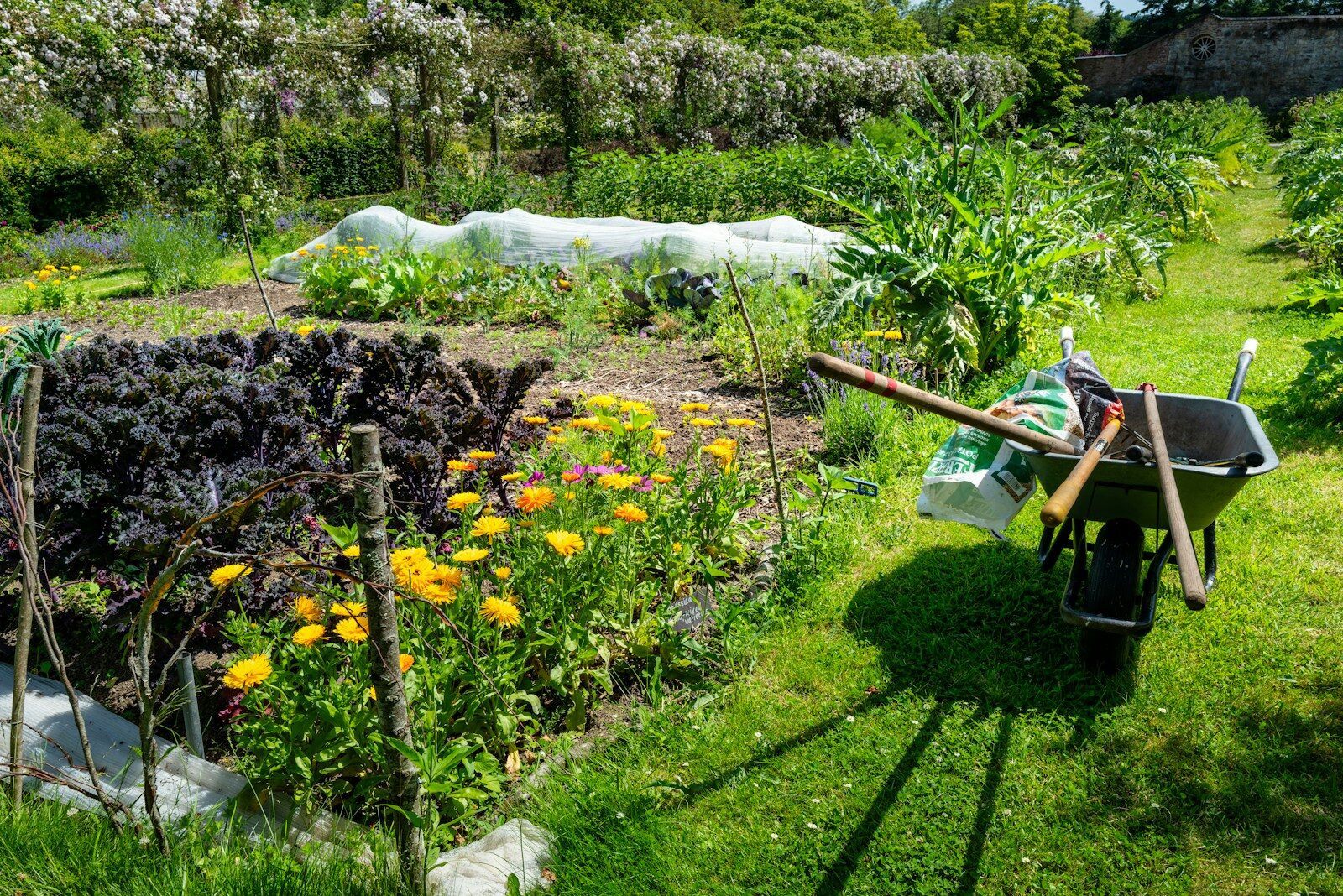
Photo by Bob Jenkin.